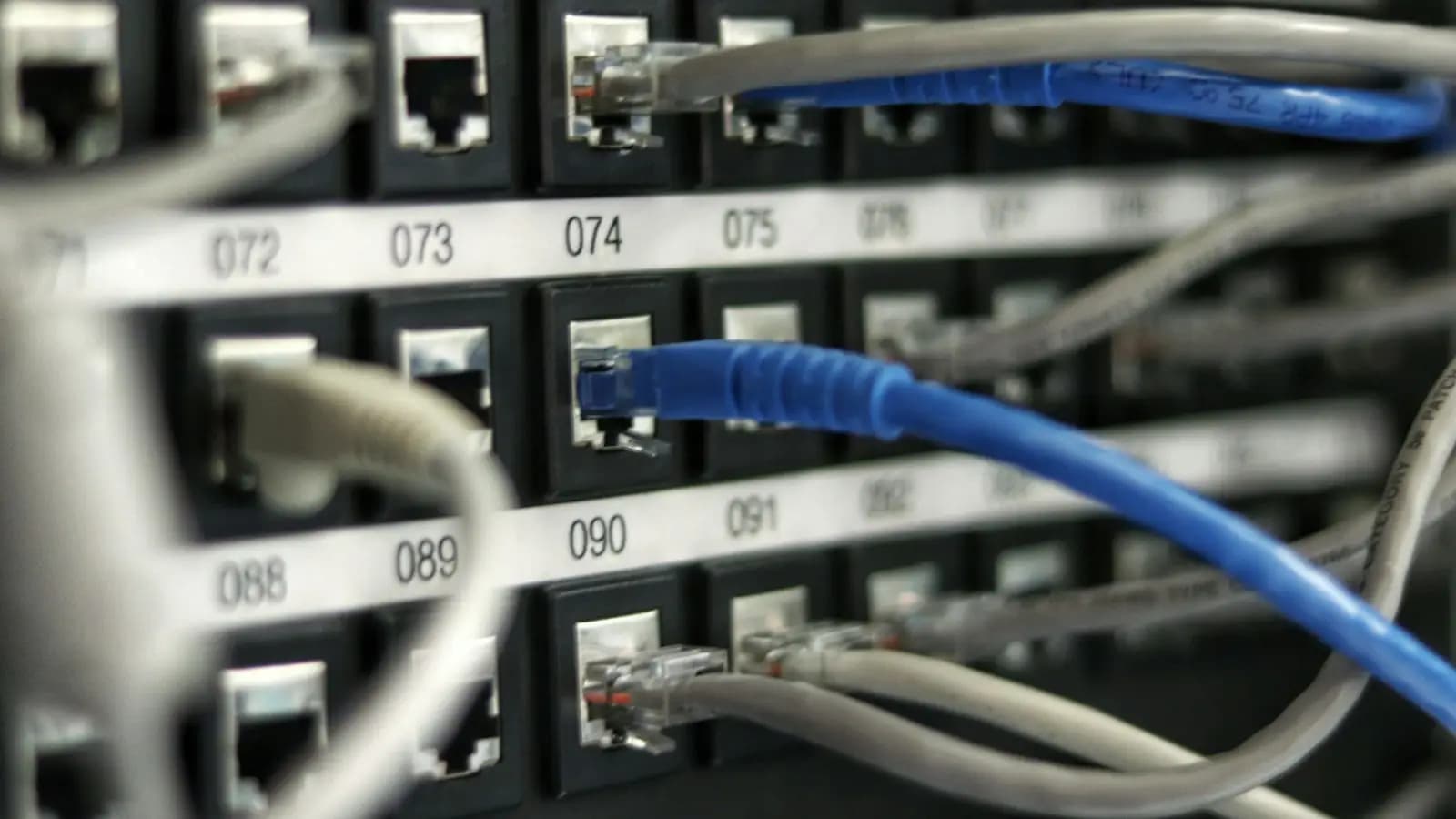
Many plant networks grew organically: a switch added here, a wireless router there, machines plugged in wherever a port was free. The result is a flat network where a compromised guest phone can reach a CNC controller.
What segmentation does
Segmentation separates traffic into zones (production equipment, cameras, office systems, guests) with a firewall controlling what can cross between them. It contains incidents, improves performance and makes troubleshooting far simpler.
The practical steps
- Inventory every connected device and what it needs to talk to.
- Design a VLAN and IP plan with zones and allowed flows.
- Use industrial-grade switches where the environment demands it.
- Add monitoring so you can see what is actually talking to what.
A typical zone design
| Zone | Contains | Allowed to reach |
|---|---|---|
| Production / OT | PLCs, CNC machines, HMIs, SCADA | Only the specific servers that collect data from them |
| Plant servers | MES, historians, data collectors | Production zone (read) and office ERP (defined ports) |
| Cameras | CCTV cameras and NVR | NVR only; no internet access |
| Office | PCs, printers, ERP clients | Internet, ERP and file servers |
| Guest | Visitor and personal phones | Internet only |
Do it without stopping production
Segmentation can be introduced step by step. Start with the guest and camera networks, which are easy to separate and carry the most risk. Then move office systems, and finally production equipment during planned maintenance windows, with rules first set to log-only so you can see traffic before you block it.